COVID-19 and Women: The Exacerbated Gender Inequality Requires Adequate Policy
The COVID-19 pandemic has taken the world by storm. People all around the globe are shouldering its implications, and there is no return to "normal" in sight. As the COVID-19 virus progressed and mutated, countries rallied to implement lockdown measures in pursuit of saving as many lives as possible. However, on some levels, the plan backfired because while it aimed to save lives, it exacerbated the situation of the vulnerable. Gender inequality was still prevalent before the pandemic hit the world. Thus, women have deeply suffered the effects of COVID-19, and the spread of this virus has aggravated their position, be it at home or work.
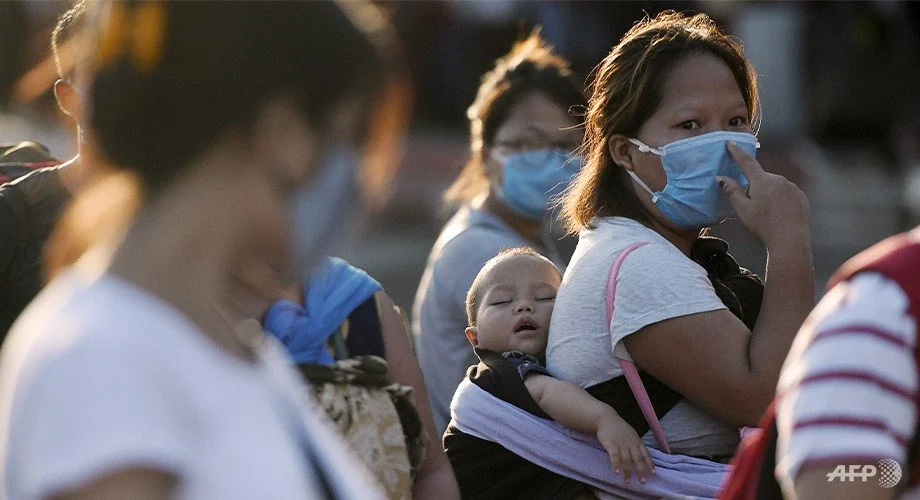
source: https://www.catunescomujer.org
On the employment level, COVID-19 has affected women detrimentally and disproportionately. For example, one-fourth of the women thought about leaving or decelerating their job, while one-fifth of men considered such steps. Women are mostly affected because of how COVID-19 worsened existing gender inequalities, especially in the workplace. Working moms, women occupying senior positions in management, and black women are the most impacted. Women in developing economies are enduring the implications of the pandemic more sharply than those in well-off developed economies. This pandemic has many adverse outcomes, and it has impacted the livelihoods of so many people, mainly the poorer populations. However, after COVID-19, women are not only economically worse-off than men in developing countries. For example, in Australia, women are occupying lower-paying jobs and doing the bulk of unpaid care. This situation shows that the pandemic widened the gender inequality gap.
Women in double-income households have reported that they were spending more time on their domestic responsibilities. At first glance, the increased responsibility seems like nothing more of a setback to women, but this is not necessarily the situation in all countries of the world. For example, in the MENA region, women are the primary source of unpaid care, with over 80 per cent of this care for children and the elderly. In turn, this responsibility strains their labour force participation since it is inversely related to women carrying leadership positions. In developing countries, a large proportion of women hold jobs in the informal sector. However, when lockdowns occurred, those jobs seized to exist, leaving many women without a source of income.
Although lockdown measures were necessary, over 240 million women were understood to have suffered physical and sexual abuse by their partners. In addition, women and children are at risk of mistreatment and abuse during confinement. The strict restrictions have rendered some women confined at home with their abusers. After France imposed lockdown, there was a 30 per cent rise in the reported cases of such domestic abuses. Many other countries have witnessed the same pattern as well.
The at-risk community is vast. It extends to encompass women, children, the elderly, and many others depending on each country. The children have felt the repercussions of COVID-19 worldwide, some more than others. UNESCO approximated that over 1.5 billion children were out of school because of COVID-19, and many of them are unlikely to return. Many of those out-of-school children are girls. When young girls are physically attending their classes, the school shields them from some mistreatments and abuses. Going to school makes girls less likely to face female genital mutilation and child marriage.
When the lockdowns started, many experts have warned against their impact on women and their reproductive health. At the time, the United Nations Population Fund (UNFPA) foreshadowed that the number of unwanted pregnancies would skyrocket to near 7 million. This situation would lead to a string of unsafe abortions because of the lack of access to birth control and proper healthcare under the restrictions.
source: https://www.catunescomujer.org
Marie Stropes International (MSI) has also warned of such instances, and they have voiced their concern regarding the reproductive rights of at-risk women during the lockdown periods. As a result, many women in vulnerable Indian regions have lost access to contraception. In addition, the number of women calling MSI's centre to schedule an abortion rose exponentially in Nepal after the government-imposed restrictions.
The pandemic is far from over, and numerous countries are going to confinement and imposing restrictions again. Therefore, governments and policymakers are urged to include women, children, the elderly, and other communities facing trouble in their COVID-19 preventive measures. Proper access to reproductive health must be considered, and ensuring that children and young girls are still getting an education is strictly necessary. In addition, governments must let the public know that measures and help centres are available, support survivors, alert essential workers of abuse signs, and work with other sectors to ensure people's safety. It is also crucial for policymakers to consider the need for supporting women in the workplace.
The pandemic has disproportionately affected women and incited fear that most progress in decreasing gender inequality has been undone. Therefore, the facts themselves contain an intrinsic call to action. Imposing lockdowns and restrictions on mobility are inevitable means of limiting the pandemic. Nevertheless, when governments decide on such measures, they must consider the safety and well-being of the most vulnerable communities and women. Moreover, each country has its specific issues and at-risk communities, making implementing the same strategies in all countries challenging. Hence, each region must take into account the needs of those inhabiting it. When policies are set carefully, both the COVID-19 and the gender inequality pandemics can be resolved.