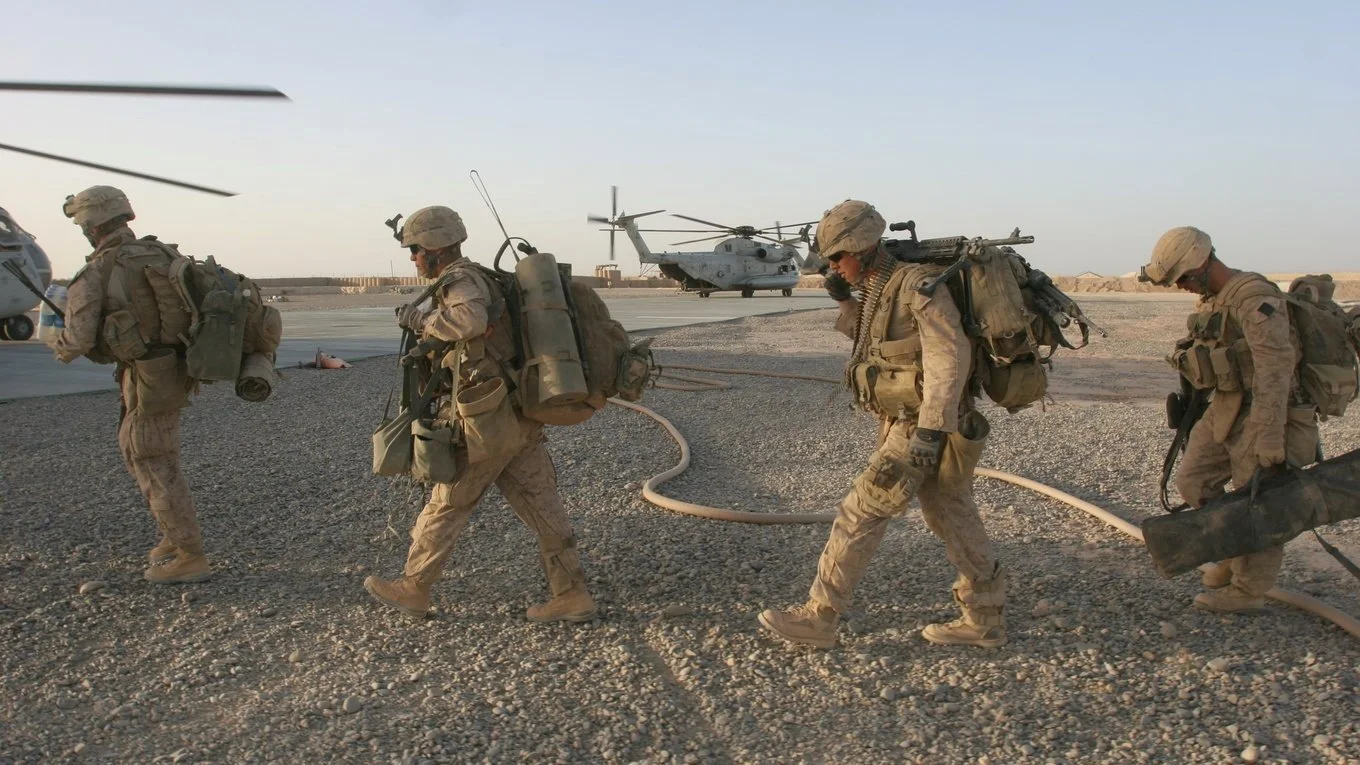
Does the EU need its own army?
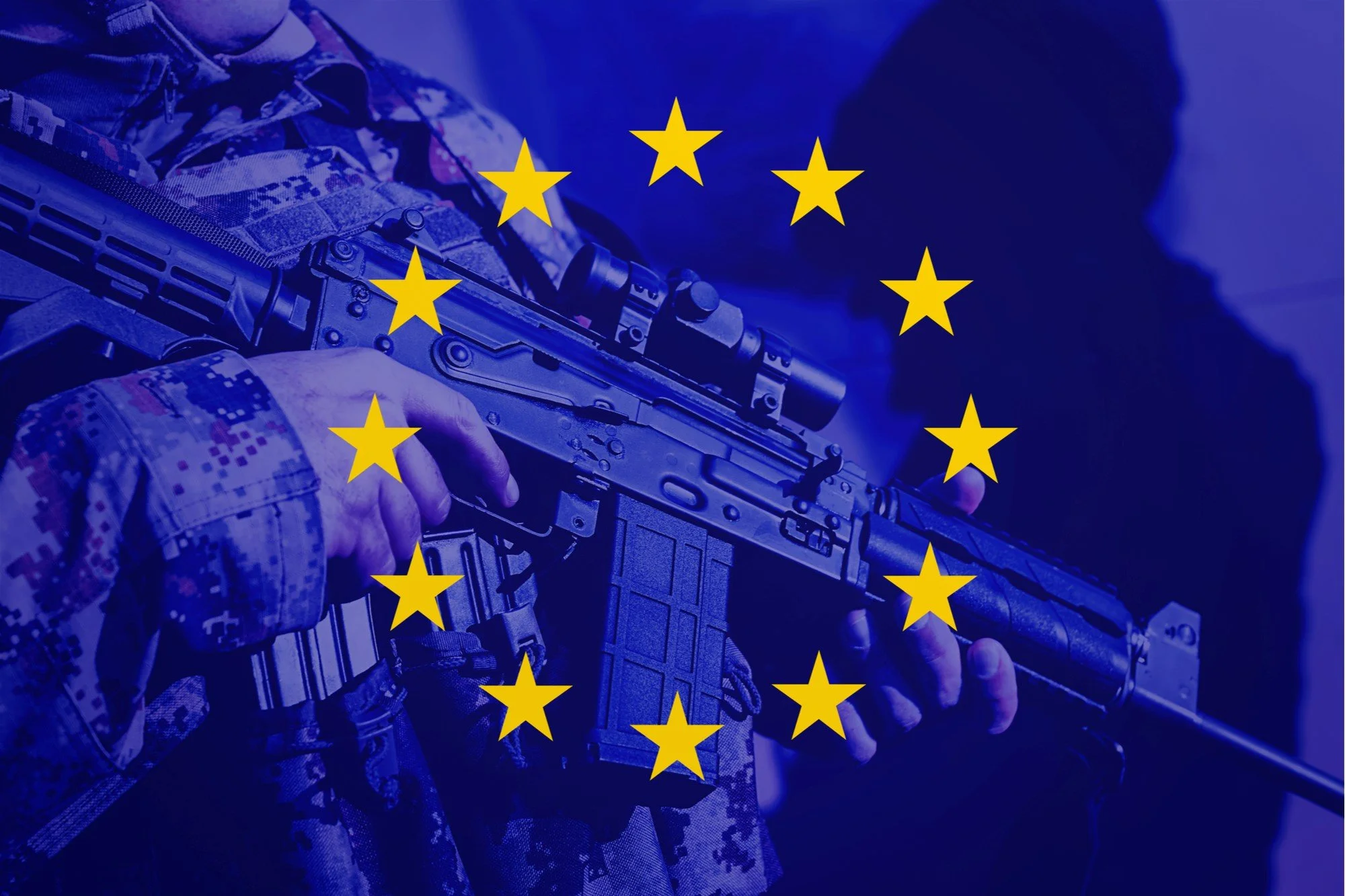
Source: A Path for Europe
Is the European Union a state? Does it have its own Department of Defence? Have its boundaries been set? Many questions have been raised over the years about the role of the EU. However, it seems that one of them (that became popular in 2018) did not get any answer yet. Does the EU need its own army?
The European Union is not a state (but a union of states), although it acts like one. The main purpose of its creation was to operate under a single market, where the member countries could freely trade and avoid the custom costs. This is how the European Economic Community began in 1958 to increase the economic cooperation between, initially, six countries: Belgium, Germany, France, Italy, Luxembourg and the Netherlands. However, what began as a purely economic union for trade cooperation has now reached several policy areas such as environment, health, justice, foreign affairs and defence, and has also included a good number of countries up to 27: Austria, Bulgaria, Croatia, Republic of Cyprus, Czech Republic, Denmark, Estonia, Finland, Greece, Hungary, Ireland, Latvia, Lithuania, Malta, Poland, Portugal, Romania, Slovakia, Slovenia, Spain and Sweden (and formerly the United Kingdom).
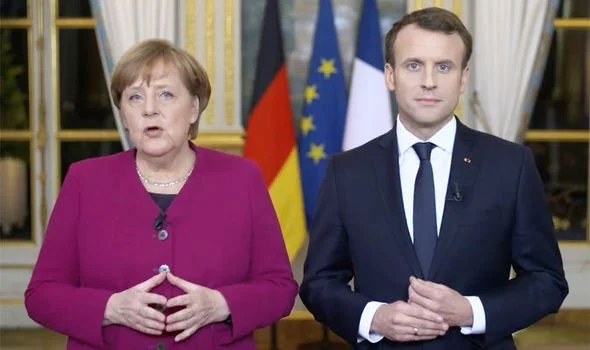
(From left to right) the ex German Chancellor Angela Merkel and the current French Prime Minister Emmanuel Macron. Source: Daily Express
In November 2018, French president Emmanuel Macron stated the necessity of having a Europe "that can defend itself on its own without relying only on the United States”. Being the EU the second largest economy and the biggest exporter worldwide speaking, the institution says it should open a military branch in order to act on its own in case of potential threats from Russia, China or even the United States. Former German Chancellor Angela Merkel also echoed Macron's words that Europe could no longer count on its former allies: “The times when we could rely on others are over”, Merkel said. “This means nothing less than for us Europeans to take our destiny in our own hands if we want to survive as a Union”.
Now that two of the most powerful states agree with the idea of creating a European army, what prevents them from carrying out the plan?
US-EU relations: an alliance with an expiry date?
To put it simply, both the United States and the European community have been working together since the 1950s. According to the European Parliament website, “the relationship between the EU and the U.S. is one of the most important bilateral relationships in the world” due to the fact that both “are the biggest economic and military powers in the world, dominate global trade and play the leading roles in international political relations”.
So the problem is not just about creating the EU’s own army (the European Defence Agency could agree an increase in military expenditure among its member states, for example). The problem is that it seems the EU has lost its faith in its relationship with the United States because of their disagreements, especially regarding the latest troop withdrawal from Afghanistan at Biden’s command.
Old battle buddies
The main concern of the EU being militarily independent is the integrity of the North Atlantic Treaty Organization (NATO). It was created in 1949 as a group of 30 countries from Europe and North America to protect each other from external threats. This NATO has been involved in several operations such as the Afghanistan War (2003), the NATO Training Mission in Iraq (2004), the Operation Ocean Shield in Somalia (2009) and the Military Intervention in Libya (2011).
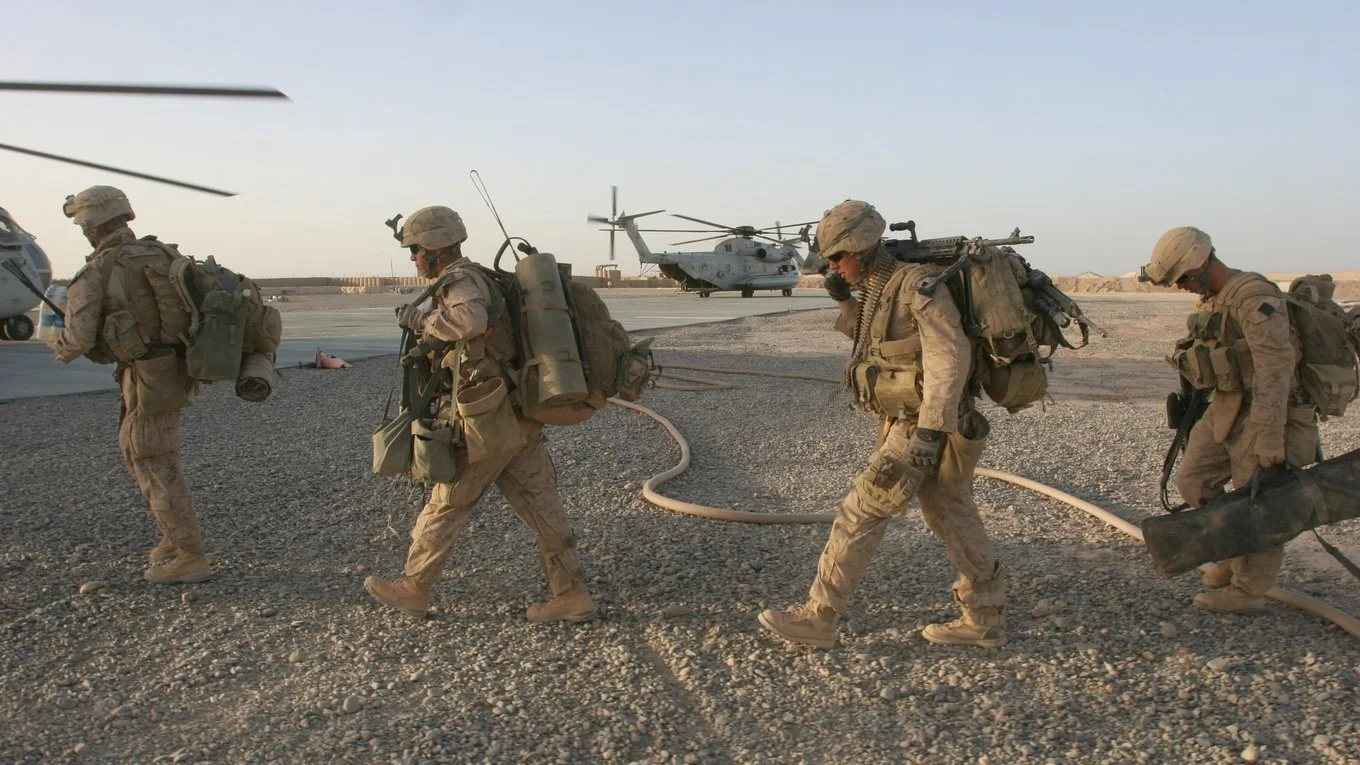
Although most of the EU member states are also NATO members (and the idea of a European army offended the former American president, Donald Trump), the new military pact between the United States, the UK and Australia (AUKUS) that became official last September had left a new horizon regarding the future of NATO. That’s why the US Defence Secretary Lloyd Austin declared at a news conference at NATO headquarters that he will allow “the EU to prescribe or outline the capabilities that they think they need”, while Joe Biden stated EU allies “to build up their own military and defense capabilities in ways that will complement NATO”.
Future projections
After this alleged “green light” to a possible EU’s own army, there is a comparison between the US and the European hard powers, having the latter nothing to do with the former. However, “strategic autonomy” is what Macron is asking for Europe in terms of military, economic and technological power; and his asking for it at a time when there has been a French turn in the presidency for the European Council until from January until July 2022.
Besides, Germany’s new government plan for its Ministry of Defence is to update the ageing military equipment such as bomber aircrafts, ships and tanks with a budget of €50 billion; and also to fulfil the NATO commitment of bombing Russia if an attack to the West happens.