France 2022: Will Macron be reelected?
Elections have the ability to transfix us, to glue us to our TVs, and to create palpable tensions that resonate throughout the population before, during, and after votes have been cast. As a cornerstone of democracy, election cycles come and go, each at their own rhythm, and with each passing cycle we watch within our own countries and around the globe as we watched political forces, for better and for worse, win power and popular mandates. 2020 brought the calamity of the US presidential elections and its sometimes violent (January 6, 2021) repercussions, while 2021 showed us that Germany can transition from one government to another after 16 years of “Merkelocracy”.
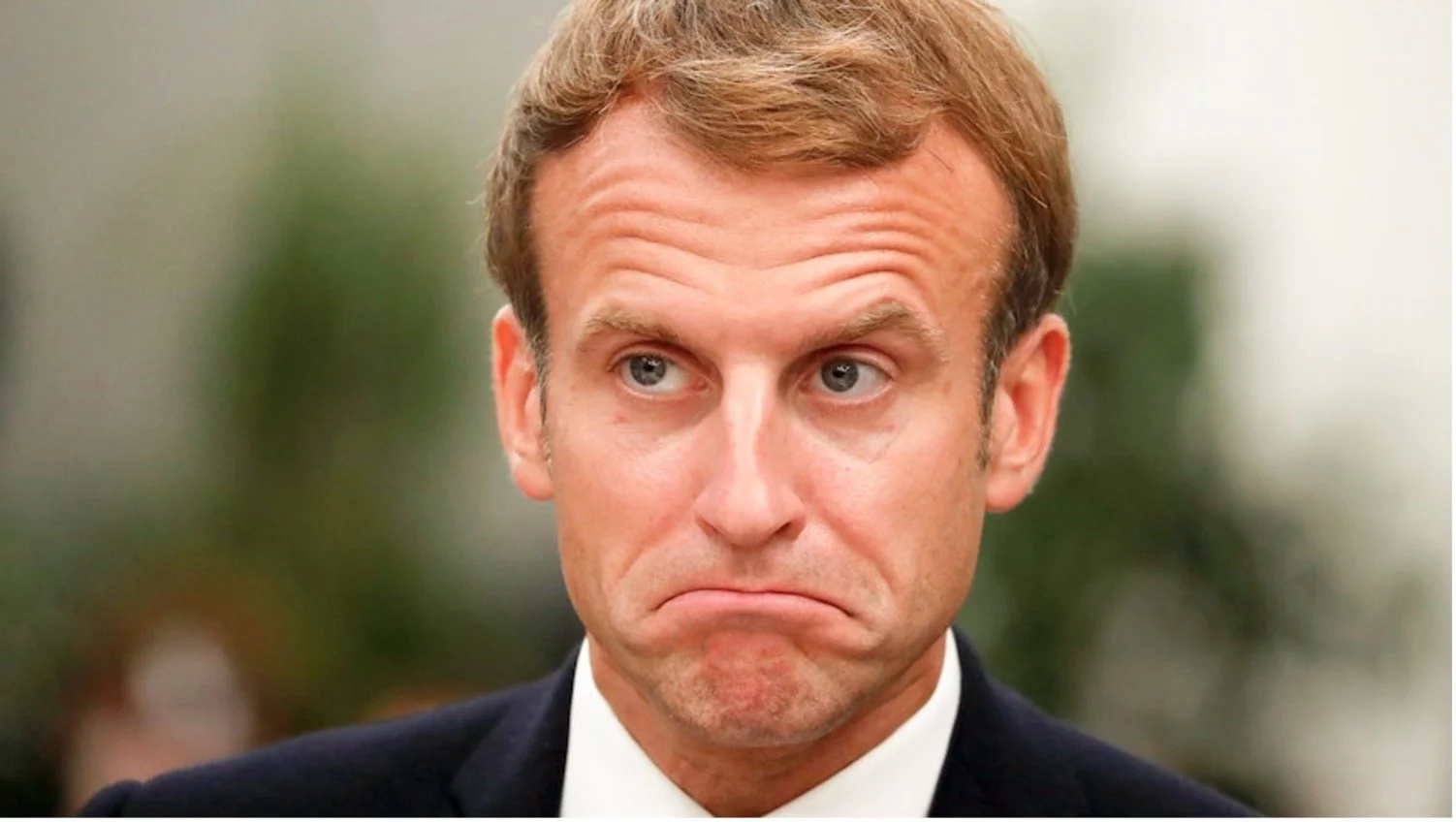
Source: abc.net.au
Another major election for Western democracy will soon be upon us and in the Spring of 2022 the world’s eyes will be focused on France’s Emmanuel Macron and his attempts to remain in power. In France, the Presidential mandate has been 5 years since 2002 (when the constitution was amended to reduce it from 7 years as a means of having the parliamentary and presidential lessons fall on the same schedule). This means that every year ending in a 2 or a 7 will see the French go to the voting booths to choose their President (who is elected separately from the Parliament and Prime Minister in what political scientists call a semi-presidential system).
In other Western democracies, the general public is accustomed to politicians serving multiple terms in their post, especially in the case of presidents. For example, while former President Trump only served in the White House for one four-year term, modern American presidents have normally served or been elected to serve two terms (eight years). Since the start of World War Two, only four presidents out of thirteen have not served two terms or been elected to two terms (Trump, H.W. Bush, Carter, and Kennedy, with Kennedy being assassinated in his first term). The French, on the other hand, are more used to single-terms presidents in recent history. Since the start of the 5th republic under De Gaulle, only three out of seven presidents have served more than one term. The French have been notoriously quick to have opinions sour on their elected officials and seek to change the party residing in the Elysée Palace, with President Holland famously citing the public’s low approval of him as a reason not to run in election for 2017. This pattern may soon be coming to an end, however, and Macron prepares his campaign to remain in power this next Spring.
While Macron’s recent approval ratings in the press have been lower than one might expect for someone seeking re-election, at 40%; however, this number is actually quite high compared to what the former Elysée’s residents had before the end of their terms. Furthermore, his closest competition in the 2017 and likely future election adversary, Marine Le Pen, still lags behind him in popularity. According to Politico’s Poll of Polls (a polling data aggregator), Macron still has a pretty good opportunity to stay in control, with him winning 56% to Le Pen’s 44% in a hypothetical match-up. The election, however, is still a few months out and a lot can happen in the span of a few months. For example, for the 2017 elections Republican candidate François Fillon was in the lead in the polls and widely expected to win until a political scandal involving his wife Penelope broke the headlines. This ‘Penelope-Gate’, named tongue-in-cheek after the Watergate Scandal of US President Nixon, quickly saw Fillon’s favorability plummet to newcomer Macron’s advantage. Nevertheless, as long as no ‘Macron-gate’ breaks headlines in the months before the elections, Macron is likely to remain a favorite to win.
While Marine Le Pen is widely expected to seek a rematch with Macron and potentially get the largest share of votes for the far-Right in modern France’s history, a certain polemist is creating waves and potentially dislodging Le Pen’s throne as the face of the far right: Éric Zemmour. A former political journalist and well-known essayist, Zemmour is a self-identified Gaullist and Bonapartist whose inflammatory rhetoric around immigration and Islam has positioned him as a possible new spokesperson for France’s far right. In recent polls, he has risen in popularity, rivaling Marine Le Pen for a chance to advance to the coveted second round of presidential voting. This is despite his outwardly xenophobic and Islamophobic rhetoric, for which he has been fined twice for. However, if anything can be learned from the American experience sometimes inflammatory rhetoric is exactly the boost needed to lead in the polls against another conservative voice hoping to soften some hard edges in order to get a larger share of the votes (just ask Texas Senator Ted Cruz). Zemmour has yet to officially declare his candidacy, but even the potential is shaking up the right-end of the political spectrum for the time being.
Regardless of if he enters the race or not, Zemmour’s mere presence in the election process could have consequences as we get closer to the fated two rounds of voting. Will his outlandish xenophobia and anti-feminism (see his arguments in Le Premier Sexe, a counter to Simone de Beauvoir’s seminal Le Deuxième Sexe) render Le Pen more palatable to French voters? Will he force Macron to concede points on his already right-leaning platform? Only time, and the media’s interpretation of events, will tell.
We must not forget the potential for the left to mount a comeback, although the likely choice of Paris mayor Anne Hidalgo may not to spur a renaissance for the Socialists after their massacre in the 2017 elections. Furthermore, while the Greens have been making headway as becoming a main party in France, they are still nowhere near being a main contender for the Elysée Palace. And finally, under the perennial leadership of Mélenchon, the far-left is unlikely to make any new inroads in an already crowded field of other parties.
In sum, we will likely see another 5-year mandate for France’s young president, but in the 6 months between now and the first round of voting, anything could happen.