The Chadian Dilemma: Demanding Democracy under the Déby dynasty
Chad is now facing a deep political and democratic crisis. The thirty years of Idriss Déby’s dictatorship heavily impacted the sociopolitical structures of the country. his sudden death on 20 April 2021 has left a leadership void that is causing turmoil and threatening the already weak internal balances of this Western African nation.
Addressing the Political Void
The former president’s murder was attributed to the FACT, an off-shot of the Union of Forces for Democracy and Development (UFDD), the largest rebel group currently active in Chad and formed in 2006 with the primary goal of overthrowing the regime.
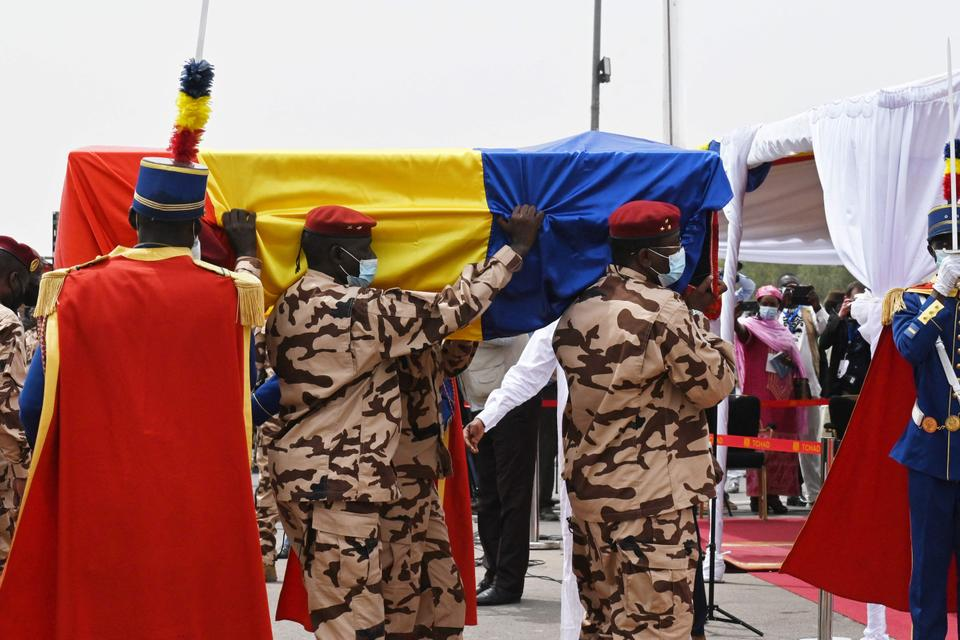
This event was used to legitimise the call for an exceptional security situation that suspended all republican institutions and handed power to the Transitional Military Council (TMC). At the head of the TMC: Lieutenant General Mahamat Idriss Déby, son of the ex-president, who promised to conduct an 18-month transition.
The TMC’s takeover was strongly rejected by opposition leaders, trade unions, and many members of civic society who have proven an unexpected wave of unity against the military junta despite the long-standing wrangles. The appointment of a civilian Prime Minister was not enough to curb criticism. The widespread discontent has led to protests and unrest, asking to appoint a civilian interim government through inclusive dialogue with the armed groups. Security forces violently cracked down on the protests and turned a blind eye to these demands.
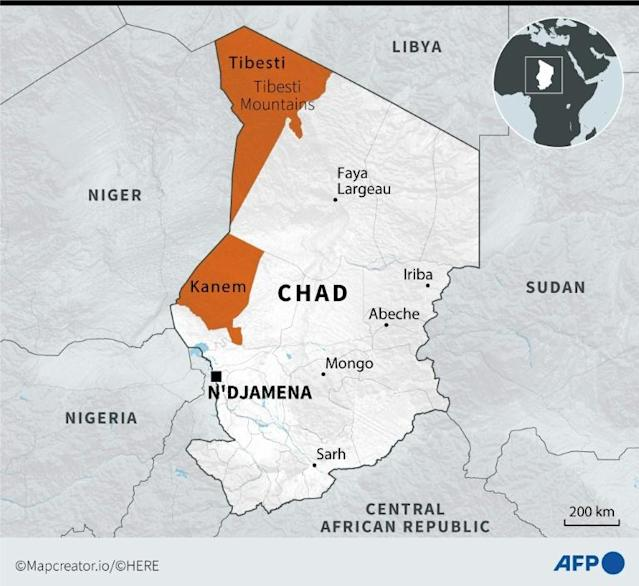
The political crisis is only exacerbating an already concerning landscape, with extremist groups building strength, as jihadist militants exploit instability and chaos to thrive. This could potentially trap N'Djamena, Chad’s capital city, in the crossfire of both sides. The terrorists in the South and the rebels in the North.
The Key Role of Chad Military in the Sahel
The TMC’s maneuver is blatantly unconstitutional, but the international community has failed to respond quickly and as a unified front. The country plays a key role in the fight against terrorism and holds one of the strongest military forces in the region. Chad contributes with many troops to the pushback against jihadists. Their potential withdrawal from the G5 Sahel, leaving other countries exposed and lacking significant military support, appears to be enough to warrant a timorous response and barely any sanctions from international actors.
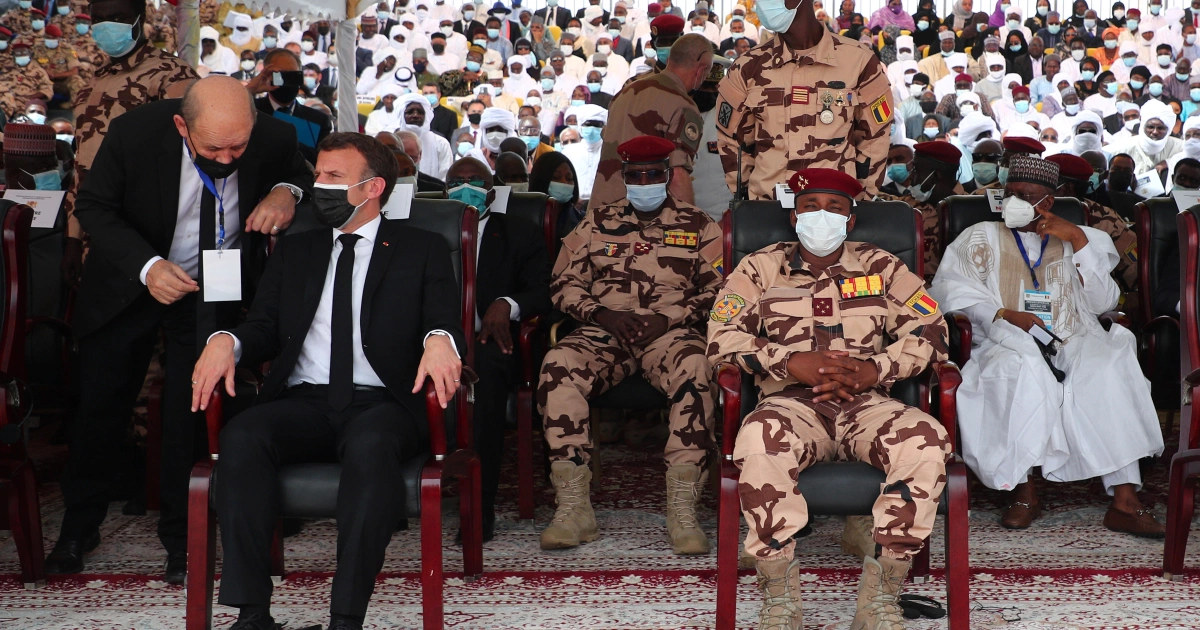
Neighboring states are unlikely to antagonize the TMC, particularly those on the shores of the Lake Chad basin where Boko Haram gains more and more influence every day. France, the country's main foreign partner and long-term patron of the Déby military regime will have to take a stand in favour of a shift toward democracy. Even though, so far, the European nation's approach to the crisis has been that of placing at the centre of the attention the security situation rather than emphasising the importance of a civilian-ruled political system in Chad.
So far, the only body to have raised concerns regarding the Chadian political and humanitarian crisis has been the African Union’s Peace and Security Council (PSC). But the AU eventually decided not to impose sanctions against N'Djamena and the transitional authorities led by General Mahamat Idriss Déby on May 14.
The Cost on Civilians
Chad is the third poorest country in the world. Despite this, the Déby presidency is credited with cementing discrete stability in the nation, which was attained with a despotic authoritarian militarized governance that failed to develop and diversify Chad’s economy and society. The larger part of the population has not benefitted from a considerable mobilization of capital owed to the country's rich natural resources. Chad also vaunts the highest defense budget relative to the GDP in the entire continent but is ranked 187th out of 189 on the UN Human Development Index.
To this date, 5.5 million people are in urgent need of humanitarian intervention, marked by insecurity and malnutrition. Some 1.7 million Chadian citizens are in need of immediate medical assistance. Due to limited access to basic infrastructure and the almost total absence of social services, the mortality rate of children and women is at its peak. The Covid-19 pandemic has only added pressure on a deficient health care system.
Possible Future Scenarios
Chad is now forced to cope with severe political uncertainty, which may trigger further deprivation of basic human rights, considering the country was already dealing with the terrorist threat in the region.
Three main forces are at play: the military junta, tacitly supported by the international community and characterized by a strong tendency toward nepotism and tribalism; the anti-Déby rebels (who are also moved by ethnic interests); and the weak and resource-less civilian opposition.
A second rebel offensive looms on the horizon, with the intent of marching toward N’Djamena and ultimately overthrowing General Déby. This possibility is certainly a source of great concern given the devastating impact that an insurgent violent advance could have on the population.
A second, not too unlikely, scenario could be a division within the TMC ranks. Notoriously, the army is internally divided and has faced disciplinary challenges in the past. Several units appear barely manageable, and could potentially mutiny, as not everybody is satisfied with the 50 members appointed, and many grumble about the absence of regional and ethnic diversity in leadership positions. A group of dissident army commanders has allegedly already taken a stand against the TMC leadership.
Alternatively, the TMC could hold on to power, with no actual transition to civilian rule, boosting further protests and unrest. Even though talks are scheduled for the end of this year for a peaceful transition of power, with Déby reportedly negotiating with stakeholders, the TMC’s true intentions have been called into question.
A multilateral dialogue with the rebels and the opposition is the only way forward to solve the politico-military deadlock. The Chadian situation can potentially affect not only the delicate equilibriums in the Sahel, the ECCAS, and the Lake Chad basin but also the transition in Libya.
The Republic of Chad is today stuck with an old African dilemma. While the local population calls for social and political transformation, a militarized elite supported and armed by the West thinks otherwise. A more structured internal pressure could draw the attention of international bodies, and an external intervention could certainly sustain a turn toward a more democratic new order. However, international actors seem to be more concerned with the war against violent extremism than the good governance and democracy for the people.
About the Author

Vittoria Paolino is a Sub-Saharan Africa Analyst and Researcher with extensive field experience in East, Central, and Southern Africa where she worked for different international and local NGOs. She holds a BA in Social Anthropology from the University of Bologna, and a MA in African Studies from SOAS University of London. Her expertise includes politics, human rights, anthropology, and gender. She is passionate about changing the narratives through which Africa is portrayed abroad and discussed in the global debate. She believes that in order to make a meaningful change we must transform our approach to African issues and affairs.
LinkedIn: Vittoria Paolino