The Forgotten Ones: What’s Next for the Children of the Islamic State?
Abstract
Until the truck collided with the exterior prison wall, no one expected an Islamic State (IS) attack on January 20, 2022. In fact, the assault on Ghwaryan prison, situated in the northeastern Syrian town of Hasakah, was the most dramatic and deadliest since the defeat of the Islamic State’s so-called caliphate three years prior. Precipitating a ten-day battle between the U.S.-backed Syrian Democratic Forces (SDF) and IS, the prison break left nearly 500 dead and many more inmates unaccounted for. Of all the revelations unearthed during the infighting, none were quite as striking as the discovery that lay behind prison walls: 700 adolescent boys who had been held for years without trial while waiting for something—convictions, repatriation, help.
The ‘Children of IS’
The use of child soldiers by extremist organizations is a long-standing tactic of war. Over the past five years, it is estimated that more than 100,000 children were forced to become soldiers in state and non-state military organizations in at least 18 armed conflicts worldwide. London-based rights group Child Soldiers International (CSI) report that there were 29,000 cases of children recruited as soldiers between 2012 to 2017.By 2019, the number of children fighting in the Middle East and Africa doubled. In Yemen, an area wrought with famine and conflict, there was a 500-percent increase in the number of child soldiers—many as young as 10 years old—between 2015-2016; 30-percent of whom were enlisted by Al-Qaeda in the Arabian Peninsula (AQAP) and ISIS – Yemen (ISIS-Y).
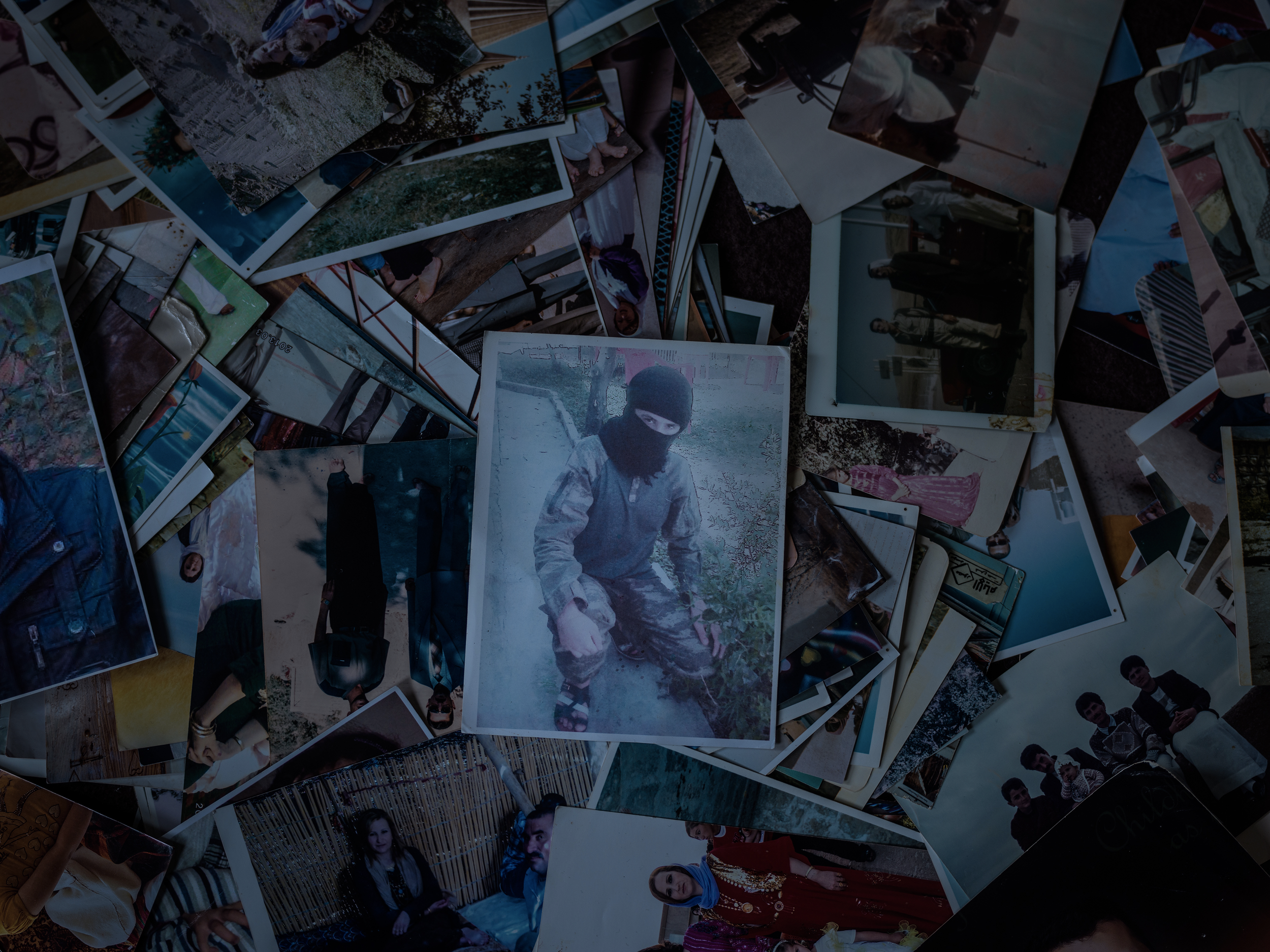
Photo Credit: TIME
These statistics serve only to confirm a wretched truth; that for extremist organizations, children are a long-term strategic investment, as indoctrination ensures the organization’s sphere of influence and longevity. During the height of the Islamic State’s ‘caliphate,’ more than 700,000 children were out of school in areas under the group’s control. But with IS providing “free education” and a monthly stipend per child, scholarship included training in basic weaponry and soldiering. Though many of the group’s child soldiers are Syrian and Iraqi, some were captured from Yazidi communities during the Islamic State’s reign of terror, while others are the offspring of foreign fighters who traveled as families to join ranks on the battlefield.
Ghwaryan’s Boys
The 700 boys of Ghwaryan have been imprisoned for three years. The children range in age—some as young as 10, and others teetering on adulthood. As the progeny of fighters who joined IS, they have been neither repatriated nor rehomed—existing in a state of abeyance, without access to legal counsel, education, or visitors. UNICEF reported that amongst the boys detained within the facility, 22 nationalities were represented. Since the siege on the prison, hundreds of boys are unaccounted for; presumably having been taken hostage during the raid. Furthermore, human rights organizations fear that the remaining boys were corralled by the Islamic State to be used as a sinister tool: human shields.
Issuing an impassioned statement following the prison break and subsequent infighting, Human Rights Watch (HRW) called upon the SDF and regional militaries to take “all feasible measures to protect civilians during operations to find ISIS members and escaped detainees.” Additionally, HRW encourages the Kurdish-led armed forces to allow immediate entry to international humanitarian groups in order to assess the state of the detainees that have been recaptured or evacuated from the prison. This—however—is easier said than done. Western powers have not agreed on how to define the scope of rights afforded to such children, with many regarding them not as victims but as young terrorists, likely to pose danger to Western societies if repatriated.
Radicalization or Repatriation?
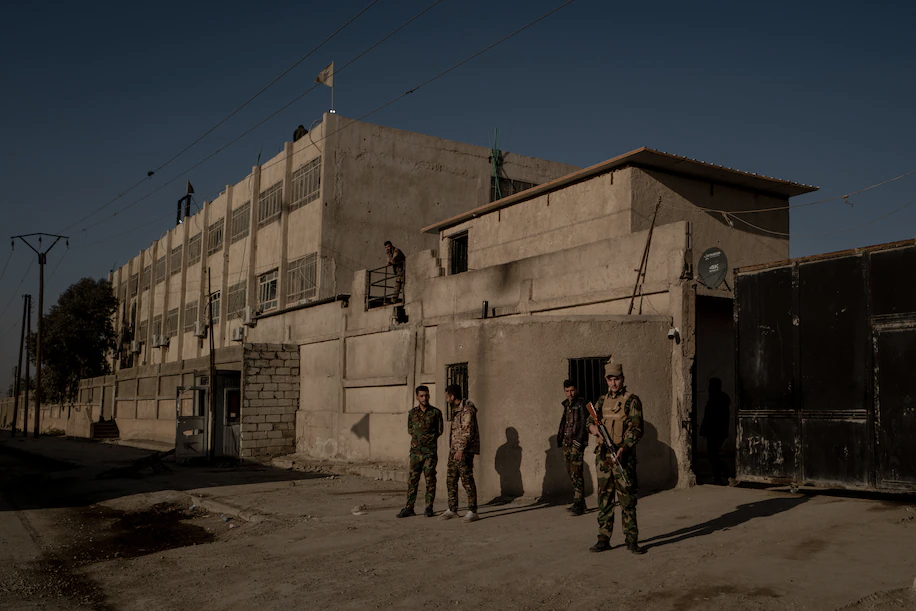
Photo Credit: Washington Post
UN Resolutions 1261, 1314, and 1379 on Children and Armed Conflict provide mandates for international action to protect the rights and safety of children. But reality is serpentine, as navigating the mental toll of indoctrination on child soldiers is vastly complex. The impact of such ideology on vulnerable populations dictates the approaches that those in leadership rely on when considering how to discern a risk of radicalization from the act of repatriation. Each child—though a victim of human rights abuses—could also grow up to be a threat to thousands if not properly rehabilitated. Due to their youth and psychological malleability, such children may become particularly dangerous instruments of their recruiters, and could be used for committing criminal offenses such as acts of terrorism, war crimes or crimes against humanity.
To date, only a handful of children have been repatriated with their primary caregivers. While many human rights organizations continue to advocate for a rights-driven approach, numerous European countries have repatriated individual children solely on an ad-hoc, case-by-case basis, even though counterterrorism experts indicate that in the long-term, repatriation is a sustainable solution that allows for a controlled and monitored process of return.”
Conclusion
Given the delicate nature of the Islamic States’ underaged detainees, scholars suggest proactive repatriation—an approach that holds governments accountable for the rehabilitation process. Proactive repatriation means that:
States must arrange for the repatriation of all of their child nationals, in accordance with the principle of ‘the child’s best interests.’ In practice, this usually includes: establishing nationality…; obtaining regular assurances of their physical and psychological well-being; providing appropriate medical care; issuing administrative documents…; and contacting camp authorities, consular representatives…and NGOs active on the ground to effectively carry out repatriation.
With increased government oversight, it is imperative that countries begin the process of identifying, extraditing, and rehabilitating their youth. It is the responsibility of the international community to place emphasis on accountability, as—to date—the children of foreign nationals have received negligible support from their home countries. To deny repatriation based upon future risk is to subjugate traumatized individuals to further neglect and a lack of physical and psychological resources. Furthermore, to deny repatriation is in violation of the rule of law. For the boys of Ghwaryan—many of whom have already endured years of armed conflict—none have been charged with any crime; thus, underscoring the urgency in facilitating multilateral cooperation to spearhead their protection and return home.