The Taliban Issue: A Brief Overview
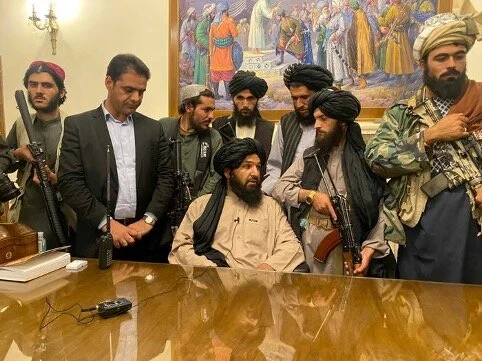
Source: insider.com
In mid-August, photos and videos of what could have been foreseen were released like a bolt from the blue to the Western world: terror, screams, stampedes, parents throwing their children to soldiers in an attempt to save them, or people desperately clinging to the wings of an airplane, and then plunging into the void.
In February 2020, Mullah Abdul Ghani Baradar, co-founder of the Taliban in Afghanistan, publicly stated in Doha (Qatar), by means of a deal with the Trump administration, that his group would commit to cut ties with al-Qaeda and other terrorists, keep up the fight against Isis and create the necessary conditions for peace. He also promised to maintain “positive relationships” with their neighbours and the international community “as a political force” and to bring “relief” and a “prosperous life” to the Afghan nation “under an Islamic regime”. Words that could have been true had it not been for the suspicious fact that the Pakistan military and intelligence continued to give sanctuary to Taliban leaders during the US-led invasion, as Pakistani journalist Ahmed Rashid informed DW, so they were not interested in establishing any deals with the Kabul government. But who are the Taliban and how do they have so much power when everyone seems to be against them?
An Insurgent Group Against the Soviet Union
Given Afghanistan's strategic geographical position, the country has witnessed many invasions, from the Persian and Turkish empires to Great Britain and the Soviet Union. But let’s take a closer look to understand Afghanistan’s current situation through one name: the People’s Democratic Party of Afghanistan (PDPA), founded by Nur Mohammad Taraki and Babrak Karmal in 1965, a Marxist party with close ties to the Soviet Union. Violence began when this party gained power in 1978 because the Afghans, especially those from the countryside, were positioned against any atheist or Soviet influence. By early 1980, resistance escalated and a group known as the mujahideen (from the Arabic “those who engage in jihad”) joined together in Afghanistan in order to defeat military and Soviet forces. But they were not alone: the United States (along with some NATO countries), China, Pakistan and Saudi Arabia gave them money and weapons until the Soviets agreed to pull out in 1989 and got finally dissolved in 1991.
However, the mujahideen did not stop. They wanted to dissuade any foreign force from future invasions and defeat the communist government of Mohammad Najibullah, therefore, they set up an interim government ruled by militia leaders. The armed Taliban group, most of whom were conservative students in Pakistan, appeared in the early 1990s, and they were, for the most part, welcomed after their promises of order and peace. They started to gain control of the main cities of Afghanistan, imposed taxes and hanged Najibullah in a public square. Afghanistan then shifted from a democratic republic to an Islamic emirate in 1996 and the Taliban began to enforce their interpretation of the Islamic law (also known as Sharia). They ruled the region for four years, until Osama Bin Laden attributed al-Qaeda the 9/11 attacks and George W. Bush, the president of the United States at that time, started the War on Terror campaign by invading the country in 2001 and removing the Taliban from power.
Long-term Restrictions Established
Source: saudigazette.com
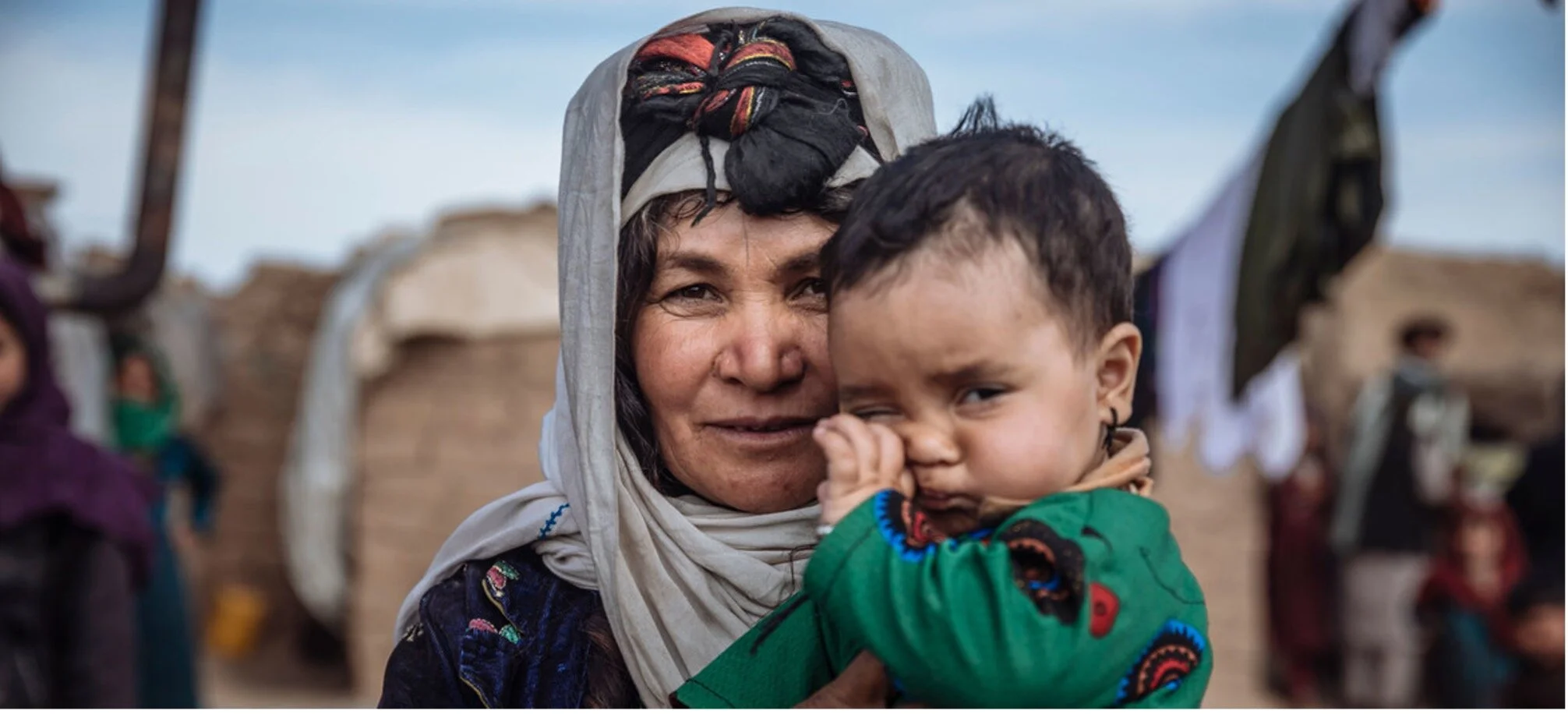
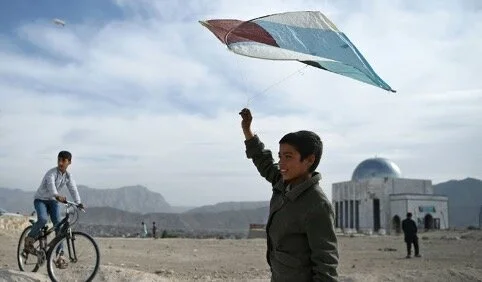
Most of the Taliban’s prohibitions were applied to women, who were at risk of being beaten if they disobeyed. They were banned from education and employment, “except for female doctors”, as informed by Al Jazeera, but also from going out without the company of a male blood relative or husband. They also imposed strict dress codes on men and women, public executions, and some prohibitions such as music and cinema. Children were not allowed to play games so that they didn’t get distracted from studying their holy book: the Quran. As soon as US troops invaded Afghanistan in 2001, flying kites reappeared both in the market and the skies as a symbol of the new freedom.
Nowadays, Afghanistan is a different country than it was in the 1990s; for instance, women are much more involved in education and employment. However, experts from throughout Carnegie’s global network confirm that “even though the Taliban now claim that they are committed to upholding ‘women’s rights under Islam’, eyewitness accounts from Taliban-controlled areas tell a different story”. Women "have already been turned away from schools and universities, ordered not to leave their homes without a male guardian, and flogged for breaching Taliban-imposed rules”, as stated by Carnegie’s experts.
What to Expect from What Is Happening
Some countries are currently welcoming all the Afghan refugees that wish to leave the Taliban takeover within the deadline imposed. The UK government, for instance, has made it easier for them to settle without a visa. There was a priority to evacuate citizens and professionals that cooperated with the US during the invasion, as they are directly exposed to danger.
Source: dailymail.co.uk
In the meantime, some members of the Taliban group are trying to engage with their community. They are using social media to spread their ideology and recruit members, but also as a platform for propaganda. Some sites like Facebook decided to ban them as they were considered a terrorist group. However, some countries and organisations (the European Union among them) are keeping conversations with the Taliban, a sign that they are being recognised as the rightful government for Afghanistan.
For now, the future is uncertain, and the insurgent group is putting pressure on Biden’s administration for the US forces to leave by September. Otherwise, they have threatened with possible consequences.